Over the past few years, scientific studies have suggested that both honey bee and native bee populations are in trouble. What we don't know is how this is affecting pollination of our gardens, crops and wild lands. In 2008, we started this project as a way to gather information about our urban, suburban and rural bee populations and to give you the tools to learn about what is happening with the pollinators in your yard.
You can participate by growing some bee friendly plants in your yard and then taking 15 minutes out of your day to count the bees that visit them. We suggest planting: Sunflowers (preferably, Lemon Queen), Bee balm, Cosmos, Tickseed, or Purple coneflower.
Seeds can be purchased at your local store or through Renee's Garden who will donate 25% of her proceeds if you use the coupon code FR225A. The instructions are here. Do join us!
And, this year, you can help by becoming a Garden Leader. Being a Garden Leader lets you form your own group of bee observers, plant more sunflowers and contribute in a more meaningful way. We can send seeds to qualified Garden Leaders so that you'll have plenty to observe. Prizes will be awarded to the Garden Group with the most observations this year! To find out more about creating your own group, click here.We would love to have you join us; let’s help our most important pollinators together!
Supporters | FAQ | Privacy
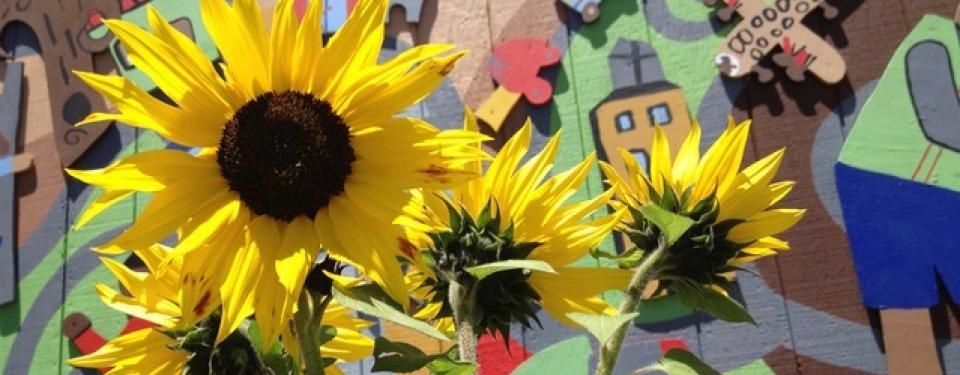
In most of the country, it’s time to start gearing up for planting a bee-friendly garden. For very little effort, you can create beautiful habitat for native bees and abundant forage for honey bees. Sunflowers, of course, are the perfect start and, ‘Lemon Queen’ sunflowers are our preferred variety for making your bee observations. The reason we have a single variety of sunflower that we recommend is to make sure that we are comparing apples to apples! Some varieties of sunflower have no pollen so they will be less attractive and provide less food for bees.
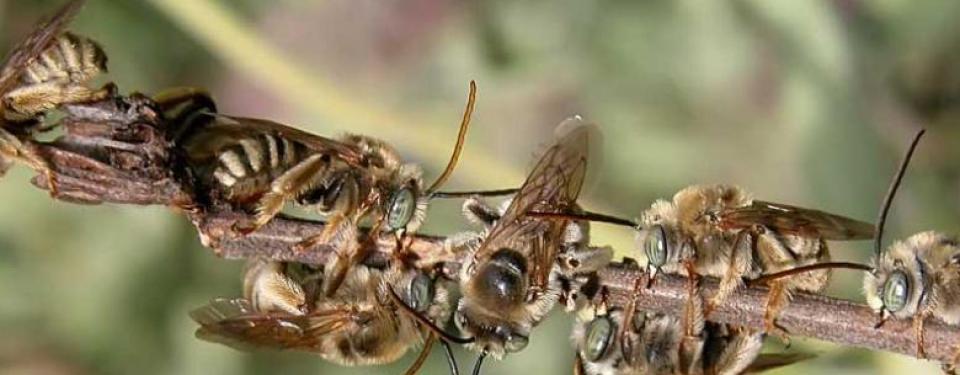
This Spring, in southern California, graduate students will comb the desert looking for the first emergence of adult Xylocopa orpifex or Mountain Carpenter Bees. Scientists in the Midwest will have note books in hand recording the first time they see orchard bees (Osmia sp.) foraging at the edge of corn fields in the spring.
We are excited to begin a new year. We look forward to new seeds to plant, new gardens in the works, new observations and new insights. 2012 marks the fourth year for the Great Sunflower Project, and we are looking forward to having YOU be a part of it.
We would like to extend our deepest thanks to those of you who observed last year and sent in your data – you continue to make our project a success. And those who haven’t sent in your data or just joined up are encouraged to start planning now for a new year.
As we head into a season of celebration, it’s important to remember that every third bite of food we consume during the holiday season is the result of a hard-working pollinator. We think that during these festive times, it’s great to take opportunities to learn about bees and the work they do, and to pass this information on to others.
Finally our sunflowers bloomed here in foggy Northern California. Tight green buds guarded by row after row of pennant-shaped leaves gave way to full-flowered glory. Some flowers have already faded away and are now growing fat with seeds in the summer sun. Sunflowers didn’t come by their name by accident. They literally follow the sun with their broad round heads. Their buds and leaves, in their natural position, are oriented toward the East so they can catch the first rays of dawn.
I would bet that all across the country, sunflowers have now finally bloomed. I know ours have here along the foggy Northern California coast, and even those in the Pacific Northwest have opened. We are hoping that both you and the bees in your area take advantage of these beautiful blooms and join us for the Return of the Great Bee Count on August 20th . Of course, you can make your observations anytime, as often as you can, but if you haven’t yet participated this summer, mark your calendars for August 20th now.
Thanks to your help, the Great Bee Count and Bee-a-thon on July 16th were a resounding success. Throughout the day, Great Sunflower Project participants all over the country took time to make a 15-minute observation. Meanwhile, hundreds tuned in to the worldwide online webcast to learn the latest information about bee conservation.
Greetings citizen scientists!
Summer is now in full swing and gardens are buzzing with activity. Your sunflowers have survived birds and slugs, unseasonal rain and dry spells. Some of you have sunflowers in bloom and are diligently sending in your observations. Congratulations to all those who have already had the opportunity to observe, collect and report their data. Well done! Check out our “Leader Board” on the homepage of the Great Sunflower Project website. (www.greatsunflower.org) to see our top data collectors. We’ll update this each week, so keep up the great work.
Greetings citizen scientists! I know that some of you who live in warmer climates are already sending in your 15 minute observations and others will be doing so throughout the year.
This year, however, we would like everyone - even those of you who haven’t sent in observations – to make the effort to join the Great Bee Count of 2011 on July 16th. The best way to sample is to sample every other week but if you only count bees once this year, make it on July 16.
April 22 has long held a special meaning for many of us. More than 40 years ago, a senator from Wisconsin, shaken by witnessing a tragic oil spill off the Pacific Coast and outraged by the lack of concern for such events in Washington, organized a 70’s –style “teach-in and celebration” to raise awareness of environmental issues and to engage the public in concern and action around preserving the Earth. That action gave birth to the first Earth Day in 1970. Last year, what was once a grassroots effort was observed by 500 million people in 175 countries worldwide.
| Attachment | Size |
|---|---|
| Great Sunflower Project Insert 2012.pdf | 255.33 KB |